
Hair removal
Explain the consultation, suitability and course approach without promising a universal result.
Laser clinic marketing
Clinic Grower provides laser clinic marketing in the UK, connecting SEO, paid search and treatment pages for hair removal, skin and tattoo-removal assessment journeys.
Specialist clinic marketing. A team to do the work. One clear view of progress.
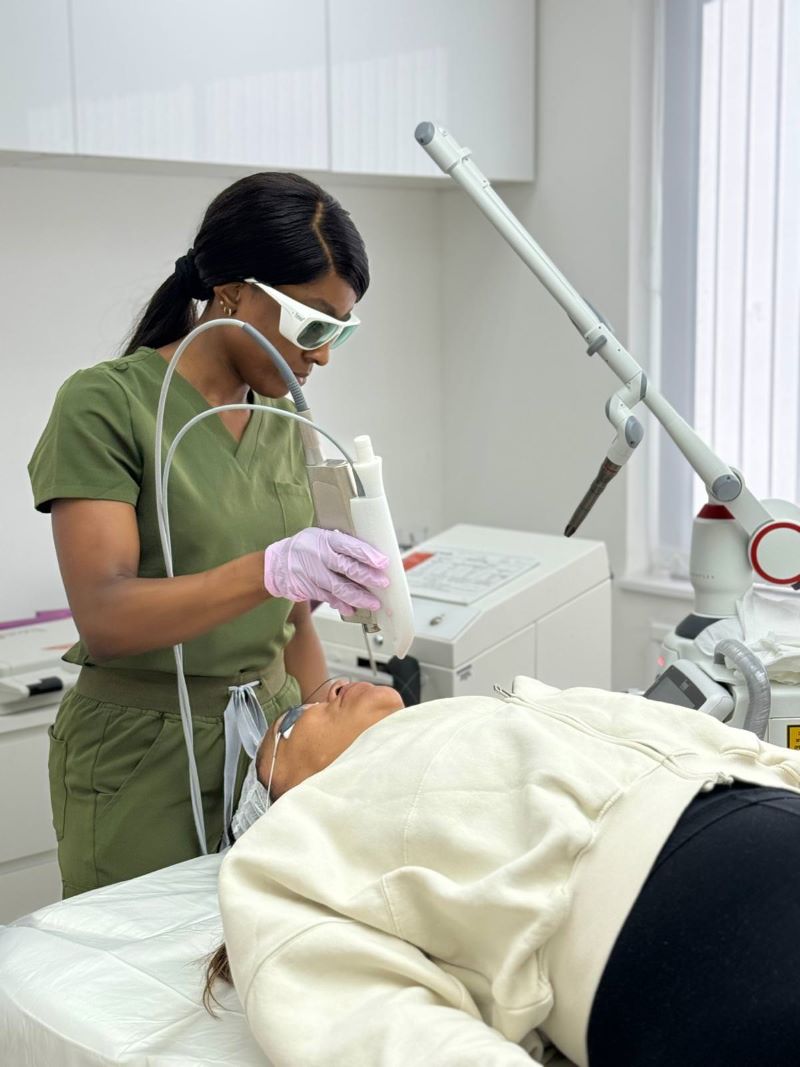
Laser clinic marketing connects a specific treatment search with the appropriate assessment or patch-test route. We build search visibility, advertising and useful treatment pages around your services, then help make enquiry follow-up and course progression easier to understand.
Built around your priorities
Make the assessment route clear before inviting someone to commit to a course.
Explain the consultation, suitability and course approach without promising a universal result.
Connect the person's concern with balanced information and practitioner assessment.
Set clear expectations about assessment, treatment variation and the route to a considered quote.
What we do
Bring the treatment page, advertising and clinic response into one practical plan.
Explore programmes and pricingFocused treatment and location search campaigns that support your service mix and appointment capacity.
Search, advertising and content supportClear treatment pages and consultation choices with clinic-approved equipment and suitability information.
Explore clinic website designFollow-up ownership, course-related contact preferences and reporting based on the outcomes your records can support.
See how Performance OS supports the workBefore choosing a programme
Start with your clinic’s growth priorities. We agree the work, responsibilities and costs in a clear proposal built around your team.
For clinics offering hair removal, skin treatments or tattoo removal, with assessment requirements and capacity for the full course understood.
Review one treatment page and its assessment or patch-test route. Follow enquiries through the next recorded step before expanding campaigns.
Confirm practitioner-approved equipment and suitability information, assessment availability and course capacity. Identify who responds and records the next step.
Services for your clinic
Choose the services that support your treatment priorities, appointment capacity and existing systems. We bring the agreed work together in a programme built around your clinic.
Skin and laser client story
A clearer website structure, content-flow improvements and duplicate-page cleanup supported the preparation for Google Ads. The owner describes the collaboration behind the work.
Read the skin and aesthetics clinic storyEvidence for your sector
A UK laser clinic’s two spending Search campaigns recorded 12 lead-form actions and four website-call conversions in September 2026. The campaigns delivered 512 clicks from £1,961.39 in advertising spend, equivalent to £122.59 per recorded conversion action.
1–30 September 2026; read 7 October from Google Ads through Optmyzr. Platform actions are not reconciled unique enquiries, attended assessments, course sales or revenue. Advertising cost excludes agency fees; the two campaigns had different action costs.
Explore a related skin and laser website projectOur agency built and developed the Fotona UK and Ireland distributor website alongside search marketing. Following the relaunch, the client team confirmed receiving website enquiries. The related Dr Tanja Phillips clinic project provides further context for our work in aesthetics and laser marketing.
Distributor website and clinic marketing were separate engagements. This is project experience, not the source of the anonymous laser campaign figures above.
Read about the Fotona website projectUse these sources to check the relevant professional information and questions behind your marketing brief.
Use the clinic’s professional laser resources and approved protocols to inform the website brief. Explain the actual consultation, practitioner and treatment process; the device name alone is not proof of suitability or a guaranteed result.
Review objective treatment and equipment claims against retained evidence. Describe the service the clinic actually offers and give readers a useful route to ask about assessment.
Agency recognition: Highly Commended 2025, Best Service & Solution Provider; Finalist 2026, Best Service or Solution Provider. Verify the Aesthetics Awards record. These awards recognise the agency’s work supporting aesthetics businesses.
References checked 8 October 2026. Professional guidance informs the approach. Each selected campaign example includes its own reporting dates and metric definitions.A deeper plan for laser clinics
Explore the eight parts of a connected growth plan, with practical priorities for hair removal, skin services and tattoo removal. Start with the constraint that matters to your clinic, then agree the work, owner and evidence needed to review it.
Choose a laser clinic marketing agency that distinguishes hair removal, skin treatments and tattoo removal. Ask how it will explain assessment, equipment information and course expectations without promising universal results. Request evidence relevant to the service mix and identify whether it measures forms, calls or attended assessments. A website project can demonstrate content and navigation work without establishing a treatment revenue increase.
Before appointing an agency, agree a finite priority, the implementation owner and a review date. For laser clinics, that review should include assessment availability, treatment suitability and course capacity. Request evidence of delivered work as well as a platform dashboard.
Ask for a plan around the actual services, devices, assessment process and practitioner capacity. The agency should distinguish treatment demand from device-name curiosity and explain how relevant enquiries will be measured. Verify that equipment and outcome claims have been reviewed by the clinic before promotion.
In practice: A hair-reduction service and a pigmentation consultation may need different information, qualification and appointment lengths. Start with the service the clinic can support reliably instead of placing every device into one generic campaign.
Laser clinic SEO should give each genuine treatment a useful page and a clear assessment route. Hair removal, pigmentation-related services and tattoo removal answer different visitor questions. Use clinic-approved descriptions of assessment and equipment, with balanced expectations and practical location information. Consolidate duplicate pages that compete for the same intention. Preserve useful treatment links and redirects during a website migration.
Review crawl access, the indexed canonical URL, useful headings and internal links before judging the article programme. Then compare queries and clicks for hair removal, skin services and tattoo removal. Track search visibility alongside attended laser assessments to understand how discovery contributes to clinic growth.
Use a device page when it answers a genuine question about the service, with accurate information approved by the clinic. Connect it to the treatment and consultation pages. A device name alone rarely explains the assessment, suitability, practitioner or practical next step a visitor needs.
In practice: A treatment page can explain the clinic’s consultation and link to relevant technology information. Avoid duplicating the same claims across several brand-name pages or implying that a device guarantees the same result for all skin types.
Laser clinic Google Ads should connect eligible treatment interest with a relevant page and an assessment the clinic can offer. Separate treatment groups so budgets, messages and enquiry handling can be reviewed independently. Use accurate geography and clinic-approved information about the course approach. Verify what each conversion measures before optimisation. A click on a contact option is not the same as an attended consultation or a paid course.
Set a finite test and an affordable media limit around assessment availability, treatment suitability and course capacity. Review the same period’s spend, action mix and contact outcomes. Management fees are separate from advertising spend; any return on investment requires reliable revenue and cost records.
Separate services whose search intent and enquiry process differ. Match the advert to a useful treatment destination and check the claims and eligibility before launch. Review location, appointment capacity and what the recorded form or call action means before expanding spend.
In practice: Hair-reduction enquiries should be distinguishable from enquiries about another laser service. A shared generic conversion total can hide differences in relevance, response and the cost of reaching the right consultation.
Laser clinic PPC needs a service-specific search-term review. Home-use devices, equipment sales, training and treatment appointments can use similar words but imply different intentions. Examine the destination and action breakdown before adjusting exclusions or bids. Review costs against relevant assessment outcomes, keeping repeated actions separate from unique enquiries. A course sale requires a reliable clinic-recorded outcome rather than an advertising label.
For laser clinics, review the path to attended laser assessments where records connect. Keep advertising actions, unique enquiries, contact, bookings and attendance separate. Review platform cost per action alongside patient-acquisition cost, using reconciled clinic records for the patient measure.
Compare the same service, period and action definition, then review the clinic’s contact and attendance records where available. Different campaigns may record different mixes of calls and forms. Keep course sales and revenue separate unless the records reliably connect them to the enquiry and cost cohort.
In practice: A campaign with a low cost per call signal may not outperform one producing fewer relevant forms. Check answered contacts and assessment outcomes before moving budget solely on the platform’s headline cost per conversion.
Laser clinic digital marketing should align treatment discovery with assessment and course capacity. Give visitors consistent information across search, the website and administrative follow-up. Clarify who responds to an enquiry and how the clinic explains the next step. Plan each service around realistic availability rather than one generic campaign for all equipment. Report enquiry, assessment, course purchase and subsequent appointments as distinct stages.
The commercial review for laser clinics should show the priority, owner and next action. Use the same enquiry cohort to review contact and attendance. Agree which connections are available before relying on a dashboard to explain attended laser assessments.
Explain the service, consultation process, practitioner and practical preparation information approved by the clinic. Use authentic demonstrations or explanations where permissioned. Keep marketing education separate from individual suitability advice and connect every campaign to an enquiry team that understands the promoted service.
In practice: A practitioner video about the consultation process can support a treatment page and a reception briefing. It should describe the actual clinic process rather than using manufacturer marketing as a universal promise of results.
Laser clinic website design should make the treatment, assessment process and clinic environment easy to understand. Use verified equipment details, appropriate imagery and readable expectations. Place a short enquiry route after relevant proof, with calls available for practical questions. Avoid unnecessary clinical data collection in an agency contact form. Check mobile labels, error messages and spacing, and keep contact buttons clear of the active fields.
Design decisions should support hair removal, skin services and tattoo removal and the next practical action. Review the page on small screens, with its navigation and neighbouring contact journey. After launch, review meaningful enquiries alongside page usability and the route to a consultation.
Organise the site around the service sought, with technology information as supporting context. Explain assessment, practitioner responsibility and the next step clearly. Use readable mobile pages and labelled forms, and avoid requesting detailed medical information through a general marketing enquiry unless the clinic’s approved process requires it.
In practice: A person interested in a particular concern should be able to find the relevant consultation without knowing a device brand. Make the assessment route clear and let the clinician determine suitability.
Laser clinic local SEO should reconcile the real premises, opening hours and treatment availability across the website and business profile. Publish useful directions and location-specific service information. Genuine reviews can describe the experience but should not be rewritten into universal efficacy claims. Keep neighbouring service areas distinct from actual branches, and review whether visitors can reach the correct assessment team from each profile link.
For laser clinics, review the profile’s destination and assessment availability, treatment suitability and course capacity together. Google describes local discovery in terms of relevance, distance and prominence or popularity. Accurate clinic information, genuine reviews and useful local pages strengthen the foundations of local search visibility.
Accurate address, service availability, opening arrangements and appointment links help people reach the right clinic. Provide factual access information and genuine photographs. If several branches use different equipment or offer different services, explain that rather than copying one offer across every location.
In practice: A booking link for a specific laser service should reach a branch that actually provides it. Check the business profile and treatment page together whenever availability or location changes.
Laser clinic AI and voice visibility should answer practical questions about available services, location and assessment clearly. Support concise answers with clinic-approved details and genuine evidence. Explain that suitability and course requirements depend on practitioner assessment. Make the page accessible to search systems and keep structured data consistent with visible content. Measure citations and qualified administrative enquiries separately, without implying that an AI mention confirms treatment demand.
Build AI search visibility for laser clinics with useful, accessible pages and accurate clinic facts. Google’s published AI guidance retains the established SEO foundations. Track relevant mentions and citations alongside attended laser assessments to understand discovery and clinic outcomes.
Answer process and access questions directly, with clinic-approved detail and clear sources for substantive claims. State when assessment is needed instead of giving universal treatment advice. Keep named service and location information consistent so the page is understandable to readers and search systems.
In practice: ‘Do I need a consultation before treatment?’ should explain the clinic’s actual process and booking route. Questions about suitability, settings or expected results should lead to an appropriate professional assessment.
Search and AI foundations: Google’s AI features guidance; Google’s local ranking guidance.
Clear ownership
Your practitioners approve treatment claims, suitability information and assessment requirements. We organise the marketing and contact journey around the process your clinic actually follows.
ClinicGrower Performance OS brings available marketing and enquiry information into a shared view. We agree the connections, responsibilities and reporting that are realistic for your clinic.
For more than one location or service, first agree enquiry ownership, content approvals and which outcomes can be compared. Separate reporting depends on reliable source records and tested connections; confirm feasibility before committing to a scope.
Review connection options and requirementsPractical answers about the work, costs and responsibilities.
Start with your laser treatments and assessment capacity and the route from enquiry to appointment. Confirm the capacity to deliver the proposed service. Our free external audit identifies visible gaps. A deeper diagnostic can then review connected campaign and clinic evidence before recommending a programme.
Neither is an automatic starting point. We first check whether people can find the right service, trust the information and reach your team. An existing website may need focused improvements. More advertising is useful only when the destination, capacity and follow-up can support it.
Monthly programmes start at £995 plus VAT, with a £495 plus VAT implementation fee. Advertising spend is separate. We agree the services, responsibilities and terms before work starts. The pricing page explains the available programmes and the optional £395 plus VAT diagnostic.
Set the budget around assessment or patch-test slots and capacity for the full treatment course, the cost of delivering care and the evidence available from previous enquiries. Plan around consultation or patch-test access and the capacity to deliver a course. Compare enquiry quality and subsequent course progression rather than multiplying leads by a headline course price. Agency fees and advertising spend are separate. There is no universal percentage of revenue or fixed advertising minimum that fits every clinic. Start with a defined test, an affordable limit and a review date.
Ask the agency to explain how it would market hair removal, tattoo removal and the skin services actually offered, what your team must approve, and how it would measure progress. Request dated evidence with spend, action definitions and limitations. Confirm account ownership, access, reporting, fees, exclusions and handover terms in writing. Clinic Grower provides UK clinic marketing support; compare our published programme scope and case studies with your actual requirements rather than treating a headline result as a forecast.
Check location, treatment-area information, assessment requirements and course availability. Review whether the next step is clear and whether staff respond to calls and forms with the correct clinic-approved booking route. Use the same enquiry cohort to compare contact, booking and attendance. Advertising-platform conversions alone cannot identify which stage needs fixing.
Publish clear, accessible answers about hair removal, tattoo removal and the skin services actually offered, with accurate location, contact details, practitioner roles and a practical appointment route. Keep business profiles consistent and allow search crawlers to access the public pages. Use concise answers supported by the full page, genuine evidence and links between related services. Review actual mentions, citations and answer accuracy for the questions your patients ask. Inclusion in ChatGPT, Google, Copilot or other AI and voice answers cannot be guaranteed.
Clinic Grower can scope SEO, Google Ads, Google Business Profile support, website design, social media advertising, reputation management, CRM and enquiry workflow, clinic consultancy, and photography or video. The starting point for a laser clinic is assessment or patch-test slots and capacity for the full treatment course. We agree which services are needed and which programme or separate project covers them. Not every service or a full website build is included in every monthly programme.
No. Some published case studies are dated campaign reports with defined advertising actions, spend and reporting limits. Other projects describe website and marketing work without claiming a measured uplift. Read the current case study and its reporting period before using a figure; an older search summary is not a substitute for the published evidence. A related aesthetics project is not automatically evidence of a laser-treatment result.
No. A clinic can keep one overview, but high-intent routes need their own useful pages. Laser hair removal, tattoo removal, pigmentation, vascular concerns and resurfacing involve different questions, devices, risks, suitability and consultation steps. Each page should match the clinic's real service, link to the relevant practitioner and location, and avoid copying the same paragraph under a different treatment name.
No. A form can collect contact details, the requested treatment, area of concern, preferred location and a short description in the person's own words. It should not diagnose a condition, select a device, prescribe settings or confirm suitability. The clinic needs an approved human route for medication, skin history, previous reactions, contraindications, patch testing and uncertain or clinically sensitive enquiries.
Publish enough to identify the technology used and the services the clinic provides, but do not let a manufacturer name replace patient information. Explain who operates it, the consultation and patch-test policy, relevant treatment limits, preparation, recovery and aftercare. Any claim about efficacy, comfort, safety, permanence, skin types or number of sessions needs evidence that applies to the actual device and claim.
Describe the clinic's own approved policy accurately: which services require it, when it happens, who reviews the response and whether treatment is a separate appointment. Do not present a patch test as proof that no adverse effect can occur. If policy varies by device, treatment area or individual assessment, the page should say that rather than publishing one universal promise.
They can use genuine, permissioned photographs when the overall impression is supported and production has not exaggerated the difference. Record the person, images, channels, dates and withdrawal route. Keep lighting, angle, distance, make-up and editing comparable, add material timing or treatment context, and do not use one case to imply that every patient will achieve the same result.
Agree definitions before reporting. Useful measures include treatment-page enquiries, answered contact, booked consultations, reschedules, cancellations and attended assessments. Treatment starts or course value should be used only where the clinic system records them consistently and the data connection is appropriate. Calls, consent choices, duplicate enquiries, offline conversations and clinical unsuitability all create legitimate gaps in attribution.
A clear starting point
The free external audit reviews your website, search presence and visible enquiry journey. We explain the priorities and the evidence we would need to investigate further.
Talk about your clinic
Tell us a little about laser clinics and the priority you want to address. We’ll help you choose a practical next step.
You can ask about the work and scope here, or choose the separate free growth audit if you would like an external review first.