
Medical skin concerns
Explain the scope of the clinical service without diagnosing the visitor or promising a treatment.
Dermatology clinic marketing
Clinic Grower provides dermatology marketing for UK skin clinics, connecting local search, service pages and enquiry routing while keeping medical and cosmetic skin services distinct.
Specialist clinic marketing. A team to do the work. One clear view of progress.
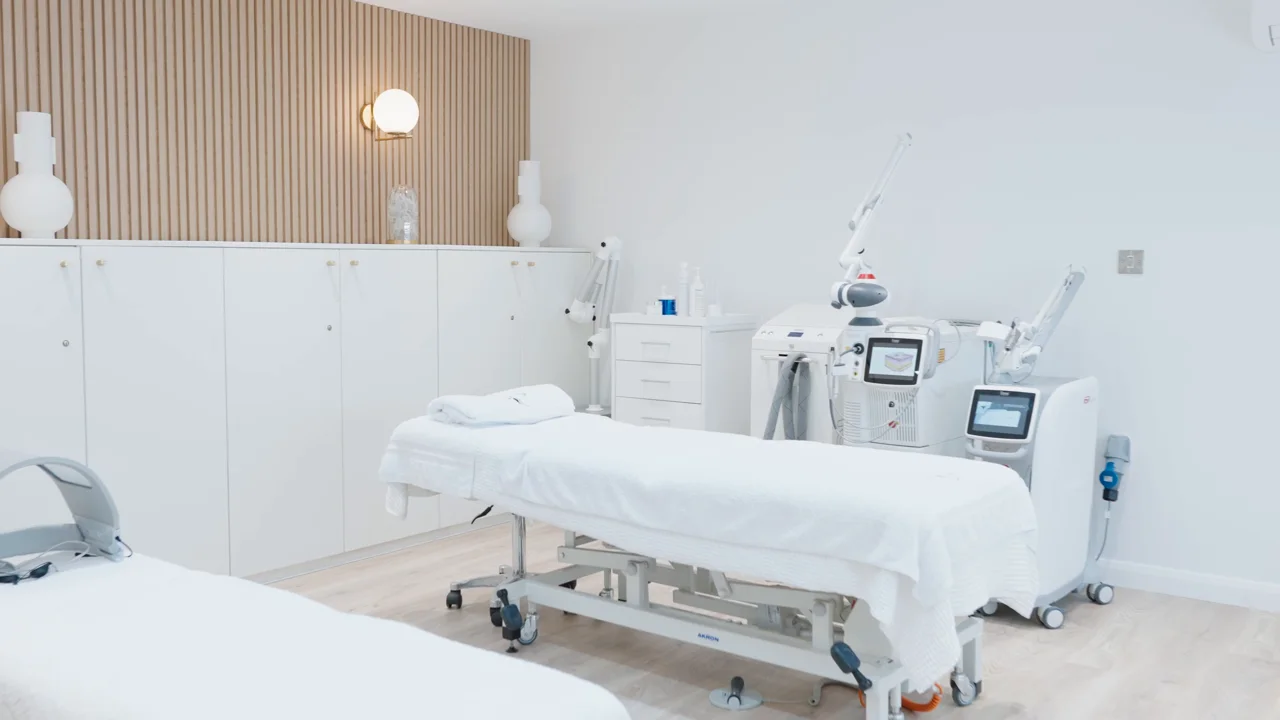
Dermatology marketing helps people understand which skin services your clinic provides and who delivers them. We connect local search, service content and enquiry handling, keeping medical assessment and cosmetic treatment journeys distinct. Your clinic approves claims and owns clinical decisions.
Built around your priorities
People may arrive with a concern rather than a treatment name. The page should help them find the appropriate route.
Explain the scope of the clinical service without diagnosing the visitor or promising a treatment.
Describe available treatments, assessment and practitioner involvement in clear language.
Connect genuine clinician credentials, clinic location and appointment information.
What we do
Build visibility around actual clinical scope, rather than a catalogue of interchangeable skin-treatment pages.
Explore programmes and pricingService and local search strategy tied to the clinician, location and appointment types you offer.
Search, advertising and content supportClear medical and cosmetic service pages, useful practitioner information and appropriate contact options.
Explore clinic website designEnquiry routing and reporting that keep administrative response separate from clinical assessment.
See how Performance OS supports the workBefore choosing a programme
An illustrative starting point to discuss, not a fixed package or promised result. The agreed proposal defines the work, responsibilities and costs.
For skin clinics that need clear routes for medical dermatology, cosmetic services or both, with the clinician and appointment type made explicit.
Review one service page and its referral information, then check that administrative enquiries reach the correct team without automating clinical triage.
Confirm service boundaries, referral requirements, professional titles and the named content approver. Agree who handles each administrative enquiry route.
Services for your clinic
These services can form part of an agreed programme. Your treatment priorities, capacity and existing systems determine the scope; every clinic does not need every service.
Medical aesthetics client story
Paid-search campaigns, SEO and continuing website work formed part of the support for a medical aesthetics clinic. Hear the owner's account of the working relationship.
Hear from the medical aesthetics clinic ownerEvidence for your sector
Our agency has worked with London Dermatology Clinics. Explore how that sector context informs conversations about condition-led searches, local visibility and a clear consultation journey.
Named agency experience. The profile explains our sector approach without making a numerical performance claim.
Explore our dermatology sector experienceUse these sources to check the relevant professional information and questions behind your marketing brief.
Use independent condition and treatment information as a reference for the clinician’s editorial review. Keep symptom education distinct from a diagnosis, and explain the actual route to the clinic’s specialist assessment.
Where the English service is registered, connect the clinic to its correct public provider record. Verify the named location and scope rather than implying that every skin or aesthetics service has the same status.
Agency recognition: Highly Commended 2025, Best Service & Solution Provider; Finalist 2026, Best Service or Solution Provider. Verify the Aesthetics Awards record. These recognise the agency’s aesthetics services; they are not clinical accreditation or a result for every sector.
References checked 8 October 2026. Campaign examples retain their own dates and definitions. These are selected examples, not an average across clients or a forecast. No regulator, professional body or search provider endorsement is implied.A deeper plan for dermatology clinics
Explore the eight parts of a connected growth plan, with practical priorities for medical skin concerns, cosmetic services and named expertise. Start with the constraint that matters to your clinic, then agree the work, owner and evidence needed to review it.
Choose a dermatology marketing agency around the clinic’s actual service mix. Medical skin appointments and elective cosmetic services need different information and enquiry handling. Ask how the agency will present verified clinician roles, referral requirements and appointment routes. Request specialist dermatology evidence where available; a medical aesthetics project can illustrate website work but should not be described as a dermatologist’s clinical or commercial result.
Before appointing an agency, agree a finite priority, the implementation owner and a review date. For dermatology clinics, that review should include medical versus cosmetic service routing and clinician availability. Request evidence of delivered work as well as a platform dashboard.
Check whether it distinguishes specialist medical care from general cosmetic skin services. The proposal should identify the consultations offered, clinician review responsibilities and the referral or self-pay enquiry route. Ask for evidence of the actual work, and do not treat an aesthetics case study as proof of dermatology outcomes.
In practice: For a consultant-led service, agree how the site will explain the clinician’s role, appointment access and the conditions genuinely assessed. The first milestone may be accurate service information rather than publishing a large number of condition articles.
Dermatology SEO should create a clear distinction between medical service information and cosmetic treatment pages. Build around appointments the clinic genuinely offers, named expertise and relevant location details. Use clinician-reviewed educational content to support the service pages without diagnosing readers. Review retired URLs, duplicate concern pages and canonicals after a redesign. Search visibility is useful when the visitor reaches an appropriate administrative next step.
Review crawl access, the indexed canonical URL, useful headings and internal links before judging the article programme. Then compare queries and clicks for medical skin concerns, cosmetic services and named expertise. A ranking change alone does not establish more attended dermatology appointments.
Both can be useful when they serve different needs. Condition information should educate without diagnosing and lead to the clinic’s appropriate assessment route. Consultation pages should explain the service, specialist and access. Clinical review is essential before publishing material that could affect a reader’s health decisions.
In practice: A condition guide can link to independent BAD patient information and a relevant clinic consultation. It should not imply that every symptom has one cause or that an online form establishes a diagnosis.
Dermatology Google Ads should match the actual appointment type and landing page. Check advertising eligibility, approved claims and targeting before launching a service campaign. Explain whether a referral or assessment is needed, and route enquiries to the clinic team. Keep cosmetic services distinct from medical dermatology reporting. A tracked call or appointment-button action should be reported as that action until confirmed by the clinic.
Set a finite test and an affordable media limit around medical versus cosmetic service routing and clinician availability. Review the same period’s spend, action mix and contact outcomes. Management fees are separate from advertising spend; any return on investment requires reliable revenue and cost records.
Use a page that accurately represents the consultation or service in the advert, with the qualified clinician and appointment route visible. Check advertising eligibility and claim wording before launch. Keep marketing forms focused on arranging contact; detailed clinical assessment belongs in the clinic’s approved clinical process.
In practice: A private dermatology consultation advert should not land on a generic cosmetic-treatment promotion. Explain the scope and next administrative step so the visitor can understand whether the offered appointment is relevant.
Dermatology PPC decisions require an understanding of search intention. Product advice, urgent symptoms, NHS information and private appointment research are different journeys. Review actual search terms and the destination together before changing exclusions or budgets. Compare costs within a consistent service and period. Use administrative appointment outcomes where reliable, while leaving clinical triage, urgency and diagnosis to the treating professionals.
For dermatology clinics, review the path to attended dermatology appointments where records connect. Keep advertising actions, unique enquiries, contact, bookings and attendance separate. A low platform cost per action is a useful diagnostic, not a verified patient-acquisition cost.
Review whether contacts concern services the clinic actually provides, the appropriate appointment route and practical access. Let qualified staff handle clinical triage. Marketing reports can distinguish relevant administrative enquiries, booked consultations and attendance without exposing unnecessary patient information to the agency.
In practice: Use aggregated enquiry categories and outcome counts for campaign review. A search-term report may reveal demand for a service the clinic does not offer; that is a targeting decision, not an invitation to infer a patient’s diagnosis.
Dermatology digital marketing should make the clinic’s medical and cosmetic offer easy to navigate. Align practitioner information, service pages, campaign copy and reception instructions so visitors reach the right team. Build a plan around appointment capacity rather than publishing every skin concern as a sales page. Review the route from enquiry to contact and attendance, with clinical assessment and patient records kept in the clinic’s appropriate systems.
The commercial review for dermatology clinics should show the priority, owner and next action. Use the same enquiry cohort to review contact and attendance. Agree which connections are available before relying on a dashboard to explain attended dermatology appointments.
Plan education around common consultation questions and have the relevant clinician review it. Connect each piece to the service actually available, its appointment process and independent information where useful. Measure relevant discovery and enquiry outcomes separately from the volume of readers seeking general health information.
In practice: A widely read skin-condition article may attract people outside the clinic’s area or service scope. Review the relevant country, landing page and contact route before describing that readership as local patient demand.
Dermatology website design should clarify the clinician, scope of service and appointment process quickly. Separate medical appointments from cosmetic consultations in navigation and page copy. Use accessible text, practical contact options and a short administrative form after useful evidence. Avoid asking visitors to disclose symptoms or clinical photographs through a general marketing form. Check mobile reading order, consent, errors and the relevant appointment link.
Design decisions should support medical skin concerns, cosmetic services and named expertise and the next practical action. Review the page on small screens, with its navigation and neighbouring contact journey. Measure meaningful enquiries after release; a visually polished page is not itself evidence of conversion uplift.
Explain who provides the service, which consultations are available, how access works and how to contact the clinic. Make professional identity and relevant provider information verifiable. Use plain language and accessible content; avoid presenting stock treatment imagery as a documented clinical result.
In practice: Separate medical dermatology consultations from aesthetic skin treatments in the navigation. A visitor should know which service they are requesting and what happens after the enquiry, without having to interpret marketing labels.
Dermatology local SEO should reconcile the actual clinic address, hours and appointment links across its business profile and website. Show service availability at each location, with verified clinician information and useful access details. A multi-location clinic should identify where each service is provided. Genuine reviews can help people assess the experience, but medical confidentiality and accurate professional representation remain essential.
For dermatology clinics, review the profile’s destination and medical versus cosmetic service routing and clinician availability together. Google describes local discovery in terms of relevance, distance and prominence or popularity. Accurate information and genuine evidence support the work, but local placement cannot be purchased or guaranteed.
Describe the actual clinic location, consultation sessions and booking route. Verify the clinician’s relationship to the location and follow the relevant business-profile eligibility rules. Do not imply continuous availability or services that are only offered at another clinic.
In practice: If consultations take place on specific days within a shared medical centre, state the arrangement and direct the appointment request to the right team. Keep the location page distinct from unrelated services in the same building.
Dermatology AI and voice visibility should favour clear service and access answers supported by clinician-approved pages. Identify the clinic, professional roles, location and review date. Keep educational information distinct from an assessment of an individual’s symptoms. Check that generated answers cite the intended page and do not overstate the service. Review referrals and enquiries separately; a citation count alone does not establish additional attended appointments.
Keep visibility evidence separate from clinic outcomes for dermatology clinics. Google’s published AI guidance retains the usual SEO foundations. Useful, accessible pages and accurate facts support eligibility; no special file, markup or keyword formula guarantees an AI citation or more attended dermatology appointments.
Practical, source-supported information about the clinic and consultation can be answered directly. Health explanations need qualified review and appropriate limits. Link to independent patient resources and make authorship clear. The page should guide a person towards suitable care rather than turn a general search answer into a diagnosis.
In practice: Answer ‘How do I request a private dermatology appointment?’ with the actual process. For questions about a changing symptom, use clinician-approved guidance and the appropriate care route instead of a sales-led reassurance.
Search and AI foundations: Google’s AI features guidance; Google’s local ranking guidance.
Clear ownership
Your clinic verifies the professional titles, medical content and patient material used. We manage the agreed marketing, content and website delivery around that approved information.
ClinicGrower Performance OS brings available marketing and enquiry information into a shared view. We agree the connections, responsibilities and reporting that are realistic for your clinic.
For more than one location or service, first agree enquiry ownership, content approvals and which outcomes can be compared. Separate reporting depends on reliable source records and tested connections; confirm feasibility before committing to a scope.
Review connection options and requirementsPractical answers about the work, costs and responsibilities.
Start with your medical and cosmetic service mix and the route from enquiry to appointment. Confirm the capacity to deliver the proposed service. Our free external audit identifies visible gaps. A deeper diagnostic can then review connected campaign and clinic evidence before recommending a programme.
Neither is an automatic starting point. We first check whether people can find the right service, trust the information and reach your team. An existing website may need focused improvements. More advertising is useful only when the destination, capacity and follow-up can support it.
Monthly programmes start at £995 plus VAT, with a £495 plus VAT implementation fee. Advertising spend is separate. We agree the services, responsibilities and terms before work starts. The pricing page explains the available programmes and the optional £395 plus VAT diagnostic.
Set the budget around the correct service route, referral requirements and consultation capacity, the cost of delivering care and the evidence available from previous enquiries. Separate medical consultations from cosmetic skin services. Demand, access rules and the administrative route can differ, so one blended cost-per-lead target can hide poor routing. Agency fees and advertising spend are separate. There is no universal percentage of revenue or fixed advertising minimum that fits every clinic. Start with a defined test, an affordable limit and a review date.
Ask the agency to explain how it would market medical skin services, cosmetic skin care and named clinicians, what your team must approve, and how it would measure progress. Request dated evidence with spend, action definitions and limitations. Confirm account ownership, access, reporting, fees, exclusions and handover terms in writing. Clinic Grower provides UK clinic marketing support; compare our published programme scope and case studies with your actual requirements rather than treating a headline result as a forecast.
Check whether enquiries reach the correct medical or cosmetic service and whether referral and access information is clear. Clinical triage remains with the clinic; marketing reporting should identify routing failures without diagnosing visitors. Use the same enquiry cohort to compare contact, booking and attendance. Advertising-platform conversions alone cannot identify which stage needs fixing.
Publish clear, accessible answers about medical skin services, cosmetic skin care and named clinicians, with accurate location, contact details, practitioner roles and a practical appointment route. Keep business profiles consistent and allow search crawlers to access the public pages. Use concise answers supported by the full page, genuine evidence and links between related services. Review actual mentions, citations and answer accuracy for the questions your patients ask. Inclusion in ChatGPT, Google, Copilot or other AI and voice answers cannot be guaranteed.
Clinic Grower can scope SEO, Google Ads, Google Business Profile support, website design, social media advertising, reputation management, CRM and enquiry workflow, clinic consultancy, and photography or video. The starting point for a dermatology clinic is the correct service route, referral requirements and consultation capacity. We agree which services are needed and which programme or separate project covers them. Not every service or a full website build is included in every monthly programme.
Use both only when each page answers a different patient question. Condition pages can explain assessment for acne, rosacea, eczema or psoriasis. Treatment and investigation pages can explain patch testing, dermoscopy, biopsy or procedural options. Link them through the clinical journey, but do not present a treatment as the automatic answer to a symptom or search term.
Name the doctor, link to their current GMC entry and describe specialist status exactly as shown on the register. Add relevant service experience, clinic location and provider information without inventing titles such as leading or top dermatologist. Where other clinicians deliver care, identify their profession, registration and role accurately rather than placing everyone under one generic dermatologist label.
No. A marketing form or call script should not diagnose a lesion or grade clinical urgency. The clinic should supply approved triage questions, escalation wording and urgent signposting. New, changing or unusual lesions may need prompt clinical assessment, so routine mole-removal booking must not override GP, NHS or suspected-cancer referral routes defined by qualified clinicians.
Collect only what the clinic needs for the stated route, such as the concern in the person's own words, age group, preferred location, referral status and contact preference. Explain who receives the information and how it will be used. Avoid turning symptom checkboxes or uploaded images into an automated diagnosis, treatment recommendation or promise of suitability.
Mention them wherever access differs by service. A general private consultation may allow self-referral, while patch testing, paediatric services, surgery, pathology or insurer-funded care may require a GP or consultant referral. The page should state the clinic's real rule, what documentation is needed and where a person should go when the service is outside scope.
Report enquiries by condition or service page, correct routing, response handling and booked or attended consultations where reliable connections exist. Keep diagnosis, urgency, suitability, prescribing and treatment outcomes in clinic-controlled systems. Long research journeys, calls, privacy choices, referrals and offline bookings mean marketing attribution will remain incomplete and should be labelled accordingly.
A clear starting point
The free external audit reviews your website, search presence and visible enquiry journey. We explain the priorities and the evidence we would need to investigate further.
Talk about your clinic
Tell us a little about dermatology clinics and the priority you want to address. We’ll help you choose a practical next step.
You can ask about the work and scope here, or choose the separate free growth audit if you would like an external review first.