
ClinicGrower knowledge base
How do laser clinics get more patients?
By ClinicGrower · Updated · Guidance for clinic owners and their teams
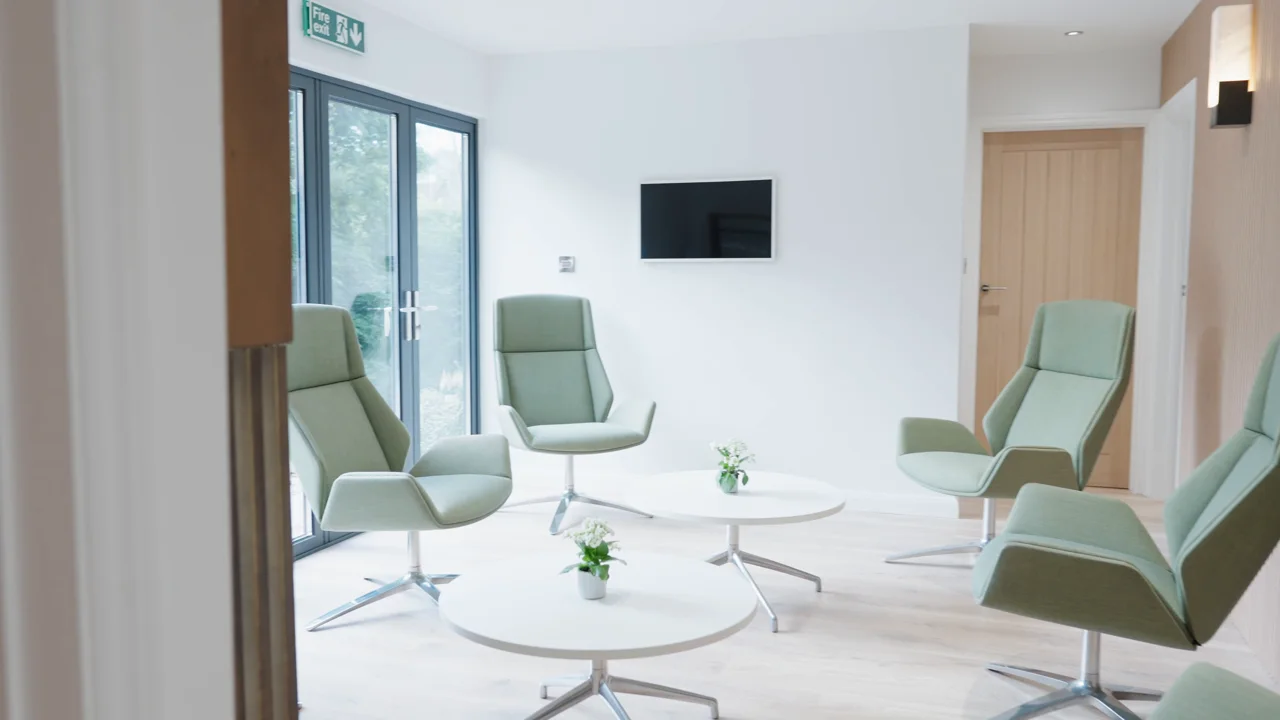
Dr Tanja Phillips Medical Aesthetic Clinic. A real clinic photography project, alongside our documented search and treatment-page work.
Explore the clinic projectIn this guide
Choose a treatment and check delivery capacity
Confirm which practitioner, device, room and appointment types can support additional demand. A course may require several future visits, so a spare consultation slot does not describe the whole capacity commitment. Review the clinic's actual service pattern before increasing advertising.
Choose a clear treatment priority. Someone researching tattoo removal needs information about assessment and variable response; someone comparing hair removal may ask about areas, course planning and the clinic's patch-test policy. Those questions deserve different page content.
Explain the treatment beyond the machine name
Device information can help establish context, but a manufacturer name does not explain suitability or predict the outcome. Identify the practitioner, consultation stages, relevant limitations, preparation, aftercare and how individual costs are established.
The clinic should approve claims about efficacy, comfort, permanence, skin types and session numbers against applicable evidence. Explain the actual patch-test policy without implying that a patch test removes every risk. Keep diagnostic or uncertain skin concerns within the clinic's appropriate assessment route.
Organise laser content by service, not only by device
A machine may support several services, but visitors need to understand the service relevant to their enquiry. Use the actual treatment and assessment process as the main navigation.
- Hair-removal page: explain the areas treated, consultation, the clinic’s patch-test policy and how a course is planned. Keep individual suitability with the practitioner.
- Tattoo-removal page: explain assessment and the factors the practitioner considers. Avoid quoting a universal number of sessions or promising complete removal.
- Skin-service page: describe the approved assessment route and relevant limitations. Do not let an image or search term establish a diagnosis or automatically select a device.
- Practitioner and device information: name the equipment accurately, describe the relevant roles and link back to the services actually available at that location.
Connect local demand to the right page
Use an accurate Google Business Profile and location information that matches the services available at the premises. Useful treatment pages can answer practical questions and provide a clear next step. Search campaigns, where suitable, should land on the treatment and location described in the advertisement.
Review whether enquiries concern services the clinic provides. A person searching for pigmentation may need assessment before any device is discussed. Marketing should explain the route and avoid converting the search term into a diagnosis or promised treatment plan.
Make the assessment handover clear
Tell people whether the next step is a consultation, patch test or another clinic-approved review. Give each enquiry an owner and record contact attempts, successful conversations and bookings. Explain response hours so an automated receipt is not mistaken for personal advice.
Administrative staff can answer practical questions about access and appointments. Device settings, contraindications, suitability and treatment recommendations belong with the authorised practitioner. Use approved processes for health information, photographs and questions that require clinical review.
Keep courses and new patients distinct
Measure new enquiries, booked assessments, attendance and recorded treatment starts separately. Follow-up sessions in an existing course are not additional newly acquired patients. Rebookings can be useful operational measures without being attributed to the latest advertisement.
When reviewing commercial return, distinguish collected revenue, future course value and treatment delivery costs. Include refunds or cancellations where relevant. Acquisition cost should use a defined new-patient count and cost basis; an attractive cost per form alone cannot establish whether a course is commercially worthwhile.
Answer practical laser questions without promising a course outcome
“Do I need a patch test?” and “Is the first visit a consultation or treatment?” should be answered from the clinic’s current policy. Explain what happens next and where individual questions are assessed. Keep claims about skin types, comfort, permanence and treatment frequency tied to evidence and the actual service rather than manufacturer wording copied into every page.
Google's AI features use normal SEO foundations; special AI markup is not required.
For a scoped implementation, explore Laser clinic AI search and AEO. The service connects device-versus-treatment searches, accurate service information and assessment routes, with AI mentions, citations, voice observations and identifiable enquiries reviewed separately.
Review cosmetic-intervention claims against ASA/CAP guidance. A device name, a client testimonial or a selected photograph does not remove the need to substantiate the claim being made about the service.
Check the whole course before promoting the first visit
Use this as a practical sequence, adapting the timing to the clinic’s capacity and approval process.
- Week 1: choose one service and check practitioner, room and device availability across the expected appointment pattern, not just the initial assessment.
- Week 2: update the treatment and assessment pages. Verify the patch-test explanation, fee basis and practitioner information with the clinic.
- Week 3: check the mobile route and reception handover without creating a test booking. Ensure the requested service reaches the right owner.
- Week 4: review new enquiries, assessments booked, attendance and recorded course starts. Keep repeat sessions, package value and collected revenue separately defined.
Choose SEO, Google Ads or journey improvements from the evidence
Choose hair removal, skin treatment or tattoo removal as a distinct priority. Local SEO and specific treatment pages can support discovery within the clinic’s catchment; Google Ads can test that same service with a clear assessment or patch-test route. Repair confusing course information or follow-up first if enquiries are not reaching the appropriate next appointment. Keep course visits separate from new-patient acquisition.
| Workstream | When to prioritise it | What to check |
|---|---|---|
| SEO and local discovery | People need a specific treatment and an accessible clinic location, not just an equipment name. | Connect treatment and location pages to the real assessment route and review relevant local enquiries. |
| Google Ads | One service has appointment capacity, approved content and a matching landing page. | Track assessment or patch-test enquiries separately from later course appointments. |
| Website and course handling | The next step, course structure or enquiry owner is unclear. | Check how an enquiry becomes an assessment and how returning course visits are recorded without counting them as new patients. |
Set one review period, one accountable owner and an affordable test scope before work begins. Laser clinic SEO, Google Ads management and clinic website design can be scoped separately or together. Clinic Grower’s free external audit costs £0 and reviews public signals; the separate Clinic Growth Diagnostic costs £395 plus VAT once for agreed connected evidence and a 90-day plan. A numeric score depends on sufficient reliable data.
Start with the most useful improvement
A free Clinic Growth Audit reviews public treatment pages, local presence and enquiry routes. The Clinic Growth Diagnostic is the deeper route when connected evidence is needed. Treatment Growth can focus on one agreed treatment and principal channel; a broader laser clinic plan requires the relevant programme scope. ClinicGrower delivers the marketing and journey improvements, supported by Performance OS where data connections are reliable.
Sources and further reading
Apply this guidance to your clinic
Ready to put the guidance to work? Explore the relevant clinic or service page, see what the support involves and ask our team about the next step.
Continue exploring
Questions clinic owners ask
How do laser clinics get more patients?
Build useful pages for the actual laser services offered, explain practitioner information and the assessment route, and connect enquiries with the right team. Measure acquisition in the context of appointments and any agreed course of treatment.
Why should laser clinic reporting account for treatment courses?
A first appointment and a completed course represent different outcomes. Define which one is being measured, separate new patients from repeat visits and use the relevant costs and revenue for that cohort.
How much should a laser clinic spend on marketing?
Set the budget around assessment or patch-test slots and capacity for the full treatment course, the cost of delivering care and the evidence available from previous enquiries. Plan around consultation or patch-test access and the capacity to deliver a course. Compare enquiry quality and subsequent course progression rather than multiplying leads by a headline course price. Agency fees and advertising spend are separate. There is no universal percentage of revenue or fixed advertising minimum that fits every clinic. Start with a defined test, an affordable limit and a review date.
How do I choose a marketing agency for a laser clinic?
Ask the agency to explain how it would market hair removal, tattoo removal and the skin services actually offered, what your team must approve, and how it would measure progress. Request dated evidence with spend, action definitions and limitations. Confirm account ownership, access, reporting, fees, exclusions and handover terms in writing. Clinic Grower provides UK clinic marketing support; compare our published programme scope and case studies with your actual requirements rather than treating a headline result as a forecast.
Why is our laser clinic getting enquiries but not enough appointments?
Check location, treatment-area information, assessment requirements and course availability. Review whether the next step is clear and whether staff respond to calls and forms with the correct clinic-approved booking route. Use the same enquiry cohort to compare contact, booking and attendance. Advertising-platform conversions alone cannot identify which stage needs fixing.
Should a laser clinic prioritise local SEO, Google Ads or its website?
Choose hair removal, skin treatment or tattoo removal as a distinct priority. Local SEO and specific treatment pages can support discovery within the clinic’s catchment; Google Ads can test that same service with a clear assessment or patch-test route. Repair confusing course information or follow-up first if enquiries are not reaching the appropriate next appointment. Keep course visits separate from new-patient acquisition.
Should laser clinic SEO focus on a device brand or the treatment?
Start with the service people need and explain it accurately. Add a device page when it answers a distinct question about equipment the clinic actually uses, then connect it to the relevant treatment and practitioner pages. A brand-name page should not imply that the device alone determines suitability or results.
How can a laser clinic answer voice-search questions clearly?
Use the clinic’s real consultation, patch-test and appointment policies to answer one practical question at a time. Put a short answer before the detail and make the service and location explicit. Refer individual suitability and treatment-frequency questions to the practitioner rather than publishing a universal answer.