
ClinicGrower knowledge base
How do dental practices get more patients?
By ClinicGrower · Updated · Guidance for clinic owners and their teams
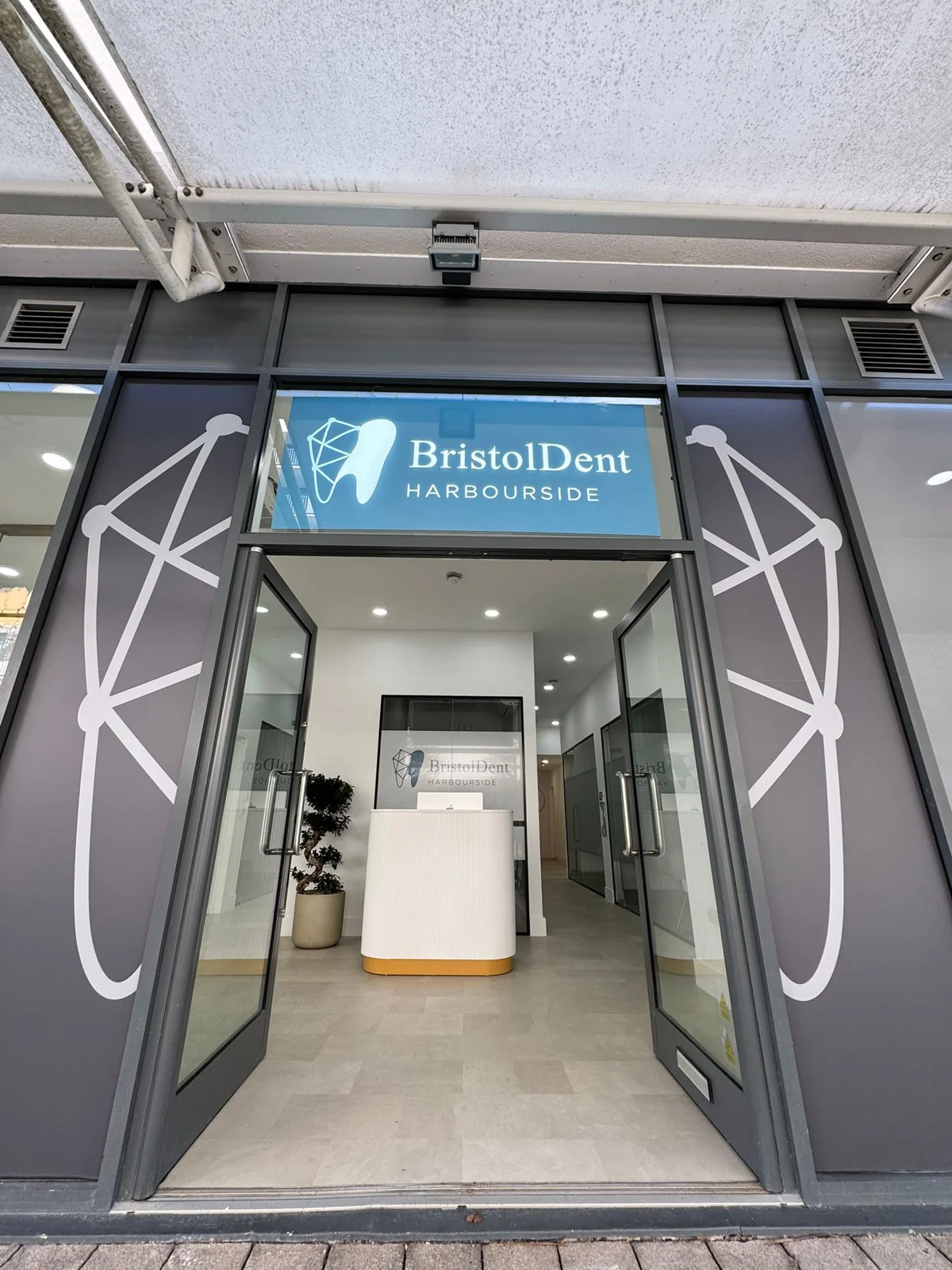
Bristol Dent Harbourside. The practice behind our published dental case study, with organic search and paid campaign measures reported separately.
Explore the dental projectIn this guide
Start with chair time and clinical capacity
Decide which appointments you want to grow before choosing keywords or a monthly advertising budget. Consider clinician availability, consultation slots, nursing support and the later appointments a treatment requires. Acquiring more assessments can create pressure if the practice cannot deliver the next stage.
Keep new-patient acquisition separate from existing-patient recalls. Both matter, but they have different costs and purposes. A hygiene rebooking should not inflate the count of new patients attributed to a campaign.
Build distinct treatment journeys
An implant page should explain the assessment, relevant practitioner, treatment stages, alternatives and how an individual quote is established. Orthodontic patients need information about suitability, commitment and the process of reaching a treatment plan. Routine appointment pages should make access and fees easy to understand.
Urgent enquiries need the practice's approved contact and escalation process. A promotional form or automated reply must not become a substitute for clinical triage. Make the correct route visible before asking someone to complete a general enquiry.
Give each dental appointment journey the right information
Use the appointment type to decide the page structure. Someone looking for routine private care needs a different first answer from someone comparing implant assessments or orthodontic options.
- New-patient page: explain whether new private patients are being accepted, the first appointment, current fees and how to request a place. Make any NHS/private distinction clear.
- Implant or orthodontic page: describe the assessment process, clinician, options discussed and the basis of a personalised quote. Do not imply that an online enquiry establishes suitability.
- Urgent appointment page: state the practice’s actual access and response arrangements. Do not advertise same-day availability unless the practice can support that statement.
- Team and location pages: show relevant GDC details, who delivers each service, accessibility and contact information. Keep these consistent with the practice’s local profile.
Make local discovery specific to the practice
Keep the practice's name, address, opening information and contact details consistent across its website and Google Business Profile. Describe the clinicians and appointments actually available at each site. A location page should help someone choose a real practice, not simply repeat a town name.
Search campaigns can then connect permitted treatment demand to the relevant page. Choose the area from the practice's service reach and patient behaviour. Avoid spreading a limited budget across every treatment and surrounding location before establishing what works.
Help reception complete the handover
Give reception clear appointment options, fee information and a named owner for implant or orthodontic follow-up. Record whether contact was attempted, the patient was reached and an assessment was booked. A missed call without an owner is an operational problem that extra advertising will not resolve.
Clinical questions move to the appropriate dental professional. Finance information needs approval for the practice's actual arrangement and applicable promotion requirements. A monthly payment headline should help explain an option, without obscuring costs or implying guaranteed approval.
Count outcomes that support a decision
Report enquiries, answered calls, booked assessments, attendance and clinic-recorded treatment progression by priority treatment. Keep patients who are unsuitable, choose an alternative or defer treatment visible without treating those decisions as a failure of care.
Use the relevant acquisition costs and new paying-patient count for the same defined group. For longer treatment journeys, allow time for consultation and decision stages. Distinguish campaign-attributed revenue from contribution after laboratory, clinical and other delivery costs.
Use the questions people ask reception
“Are you accepting new private patients?”, “What does the first appointment include?” and “Can I book an implant assessment?” are different questions. Answer them on their relevant pages using the practice’s current process. Keep the first answer short, with fees, eligibility or availability qualifications next to it rather than hidden at the bottom.
Google's AI features use normal SEO foundations; special AI markup is not required.
For a scoped implementation, explore Dental AI search and AEO. The service connects treatment and appointment answers, named clinicians and local practice information, with AI mentions, citations, voice observations and identifiable enquiries reviewed separately.
Use the GDC’s advertising guidance when checking professional details and descriptions of care. In particular, make the actual NHS/private offer clear and avoid language that implies a specialism or qualification the clinician does not hold.
Make the first month about an attended assessment
Use this as a practical sequence, adapting the timing to the clinic’s capacity and approval process.
- Week 1: select one treatment journey and agree the available chair time, clinician and reception owner. Separate new-patient acquisition from recalls.
- Week 2: improve the treatment page and first-appointment explanation. Verify clinician details, the published price basis and the assessment link.
- Week 3: check phone and mobile booking information without placing a test call or submitting a form. Agree how missed calls and considered-treatment follow-up are recorded.
- Week 4: review valid enquiries, answered contact, assessments booked and attendance for that treatment. Use the same enquiry group and retain unresolved cases.
Choose SEO, Google Ads or journey improvements from the evidence
Choose a treatment and check chair time, the landing page and reception capacity first. Dental SEO can develop treatment and local discovery; Google Ads can test a defined treatment offer with an agreed spend limit. If calls go unanswered or the assessment route is unclear, repair that journey before buying more traffic. Compare qualified enquiries and attended assessments by treatment, not just reported leads.
| Workstream | When to prioritise it | What to check |
|---|---|---|
| SEO and local discovery | Implant, orthodontic and general-dentistry pages answer different patient questions; each practice location has accurate contact information. | Review relevant local and treatment queries, enquiries and the destination page together. |
| Google Ads | The practice has capacity for the advertised assessment and a treatment-specific page with clear next steps. | Separate implant and orthodontic enquiry costs; reconcile call signals with reception records. |
| Website and reception | Visitors can understand fees, practitioner information and how to request the correct appointment. | Test the form and phone route; inspect contact, assessment booking and attendance for the same enquiry group. |
Set one review period, one accountable owner and an affordable test scope before work begins. Dental SEO, Google Ads for dentists and clinic website design can be scoped separately or together. Clinic Grower’s free external audit costs £0 and reviews public signals; the separate Clinic Growth Diagnostic costs £395 plus VAT once for agreed connected evidence and a 90-day plan. A numeric score depends on sufficient reliable data.
Choose the programme around the constraint
A free Clinic Growth Audit can identify visible gaps in practice pages, local presence and enquiry routes. The Clinic Growth Diagnostic is the deeper route when connected evidence is needed. A single priority treatment may fit Treatment Growth; several active treatment priorities may require Clinic Growth or Market Leader within their defined scope. Full website builds and additional locations should be scoped explicitly rather than assumed to be included.
Sources and further reading
Apply this guidance to your clinic
Ready to put the guidance to work? Explore the relevant clinic or service page, see what the support involves and ask our team about the next step.
Continue exploring
Questions clinic owners ask
How do dental practices get more patients?
Match treatment demand to the practice's available appointment capacity, use clear service and clinician information, and make calls and booking enquiries easy to handle. Measure outcomes separately for different treatment journeys.
Why should dental treatment enquiries be reviewed separately?
An urgent appointment, a routine visit and a considered treatment enquiry can follow different decision paths. Separate them in reporting so the practice can plan capacity and follow-up appropriately.
How much should a dental practice spend on marketing?
Set the budget around chair time, assessment capacity and the reception handover, the cost of delivering care and the evidence available from previous enquiries. Separate implant and orthodontic acquisition from routine-care promotion and existing-patient recalls. Review the cost and time required to reach an attended assessment, not just a form submission. Agency fees and advertising spend are separate. There is no universal percentage of revenue or fixed advertising minimum that fits every clinic. Start with a defined test, an affordable limit and a review date.
How do I choose a marketing agency for a dental practice?
Ask the agency to explain how it would market implants, orthodontics and routine private care, what your team must approve, and how it would measure progress. Request dated evidence with spend, action definitions and limitations. Confirm account ownership, access, reporting, fees, exclusions and handover terms in writing. Clinic Grower provides UK clinic marketing support; compare our published programme scope and case studies with your actual requirements rather than treating a headline result as a forecast.
Why is our dental practice getting enquiries but not enough appointments?
Check whether the page promises an appointment reception can offer, whether missed calls are returned, and whether implant or orthodontic follow-up has a named owner. Review answered calls, assessments booked and attendance separately. Use the same enquiry cohort to compare contact, booking and attendance. Advertising-platform conversions alone cannot identify which stage needs fixing.
Should a dental practice invest in SEO, Google Ads or its website first?
Choose a treatment and check chair time, the landing page and reception capacity first. Dental SEO can develop treatment and local discovery; Google Ads can test a defined treatment offer with an agreed spend limit. If calls go unanswered or the assessment route is unclear, repair that journey before buying more traffic. Compare qualified enquiries and attended assessments by treatment, not just reported leads.
What should a dental practice answer for local and voice searches?
Start with real access questions: whether the practice accepts new patients, which treatments it provides, what the first appointment includes and how people can contact the correct team. Give current answers on the relevant service and location pages. Keep urgent, routine and considered-treatment routes distinct so a search does not lead to the wrong appointment.
Should implant and routine dentistry enquiries share one target?
Usually they need separate reporting because assessment, decision time and chair-time requirements differ. Define valid enquiries and attended appointments for each journey, then compare costs on that basis. A blended lead target can hide missed routine calls or a slow implant follow-up process.