Skip to main content Skip to footer
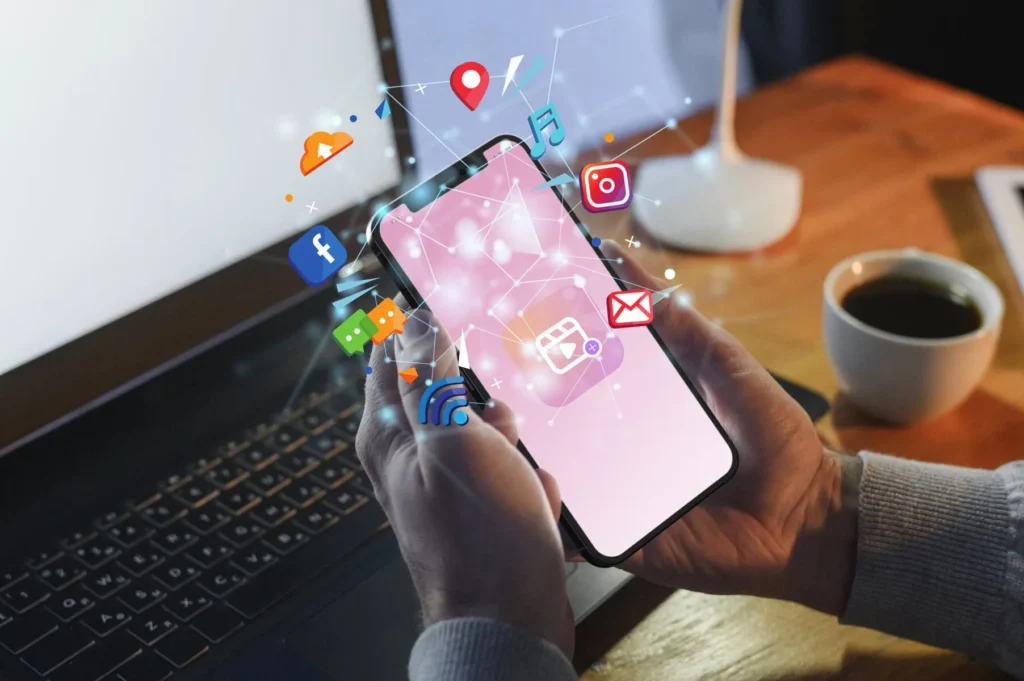
In today’s digital age, social media has become a powerful tool for communication, especially in healthcare. Plastic surgeons can no longer rely solely on traditional methods to educate their patients. With more people turning to online platforms to research medical procedures, social media marketing for plastic surgeons offers a unique opportunity to inform, engage, and build trust. This blog explores how plastic surgeons can effectively use social media to educate patients about their procedures, helping them make informed decisions.
Why Social Media Marketing is Essential for Plastic Surgeons
Patients now expect easy access to information online before considering any medical procedure. Social media platforms provide a direct channel for plastic surgeons to share accurate information and bust common myths. By maintaining an active presence, surgeons can establish credibility and create a transparent environment where patients feel comfortable asking questions. Social media isn’t just about promotion – it’s about building meaningful connections and educating patients in a space they trust and frequent. By regularly posting educational material, surgeons can:
- Establish authority and credibility in a competitive field.
- Address common questions in detail, reducing patient anxiety.
- Shape realistic expectations and dispel common myths.
- Attract prospective clients who resonate with their professional voice and aesthetic.
Choosing the Right Social Media Platforms for Patient Education
Different platforms serve different purposes. Instagram is ideal for sharing visual content like before-and-after photos and quick procedure highlights that catch the eye. YouTube offers the perfect stage for longer videos, such as detailed walkthroughs of procedures or surgeon-led Q&A sessions, giving patients a deeper understanding. Facebook helps build a community through groups and patient testimonials, making it easier to foster conversations. Meanwhile, newer platforms like TikTok can reach younger audiences with short, engaging clips that break down complex topics into digestible bites.
Creating Educational Content That Resonates
Effective patient education starts with content that connects. Videos, infographics, blog posts, and live streams each have their place. The key is to avoid overwhelming patients with medical jargon; instead, simplify explanations to make procedures easy to grasp. Addressing common concerns – such as recovery times, risks, and realistic outcomes – helps clear misconceptions. Sharing patient stories and experiences adds a human touch that resonates more deeply than facts alone, making the information relatable and trustworthy.
Leveraging Social Media Marketing for Plastic Surgeons to Boost Patient Trust
Trust is the foundation of any patient-surgeon relationship. Social media allows surgeons to showcase their credentials, surgical expertise, and real results transparently. Ethical sharing of patient testimonials and photos, with proper consent, demonstrates the surgeon’s skills and reassures prospective patients. Promptly responding to questions and comments shows that the surgeon is approachable and cares about patient concerns. Positive reviews and social proof further reinforce credibility, making potential patients more confident in their choice.
Best Practices for Compliance and Ethics on Social Media
While social media is a great educational tool, surgeons must navigate it carefully to protect patient privacy and uphold ethical standards. Understanding HIPAA regulations is crucial to avoid sharing sensitive information without consent. Surgeons should steer clear of exaggerated claims or misleading content that could create false expectations. Always securing explicit permission before posting patient images or stories protects both the patient and the surgeon’s reputation.
Measuring the Impact of Social Media Marketing for Plastic Surgeons
To ensure social media efforts are effective, tracking key performance indicators (KPIs) is essential. Engagement metrics like comments, shares, and views reflect how well educational content resonates. Tools like platform analytics provide insights into audience demographics and behavior, helping surgeons tailor their approach. Regularly reviewing this data allows for adjustments in strategy to maximise patient reach and education impact.
Tracking digital performance is as important as creating content. Surgeons should:
- Use analytics tools to monitor post likes, comments, shares, and reach.
- Track website clicks and online appointment requests originating from social posts.
- Adapt strategy based on which educational posts generate the most engagement and trust.
Data-driven social media campaigns ensure ongoing improvement and effectiveness in patient education.
Tips to Maximise Social Media Marketing for Plastic Surgeons
Consistency matters – regular posting keeps the audience engaged and informed. Collaborating with influencers or patient advocates can extend the surgeon’s reach and lend additional credibility. Investing in paid campaigns lets surgeons target specific demographics, ensuring educational content reaches those who need it most. Above all, genuine communication and transparency make social media a powerful extension of the surgeon’s practice.
Social media marketing for plastic surgeons is no longer optional; it’s a vital part of educating patients and building trust. By choosing the right platforms, creating relatable content, and adhering to ethical standards, plastic surgeons can use social media to demystify procedures and empower patients with knowledge. Start leveraging social media today to connect with your audience and provide the education they deserve.
Final Thoughts: Integrating Social Media into Patient Education Strategy
Social media marketing for plastic surgeons offers an unprecedented opportunity to educate, inspire, and reassure patients at every stage of their decision-making journey. By pairing medical expertise with transparency and engagement, surgeons can redefine how the public learns about aesthetic procedures. An informed patient is an empowered one – placing mutual trust and safety at the heart of the surgical experience.